


Faculty
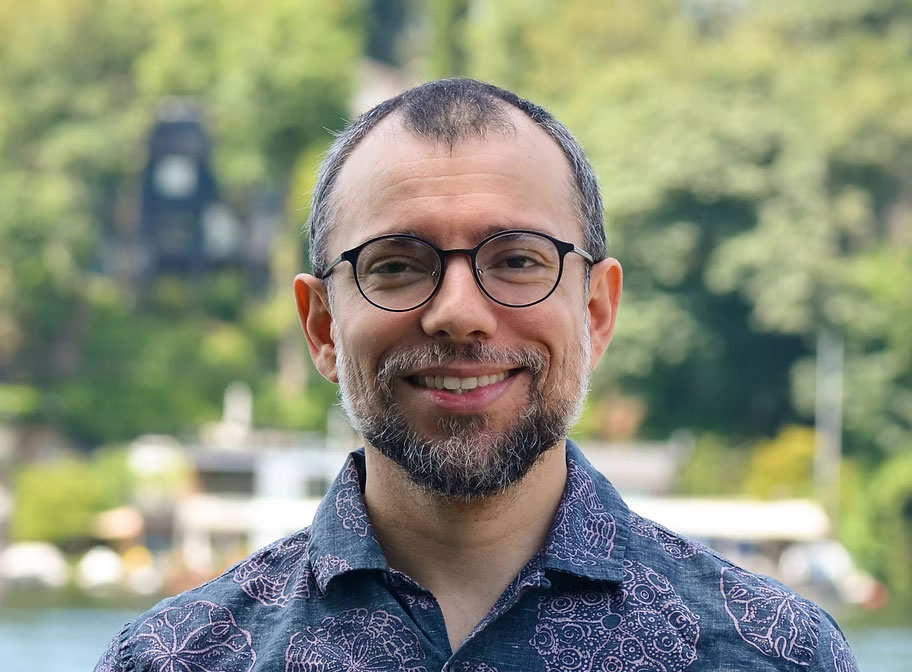
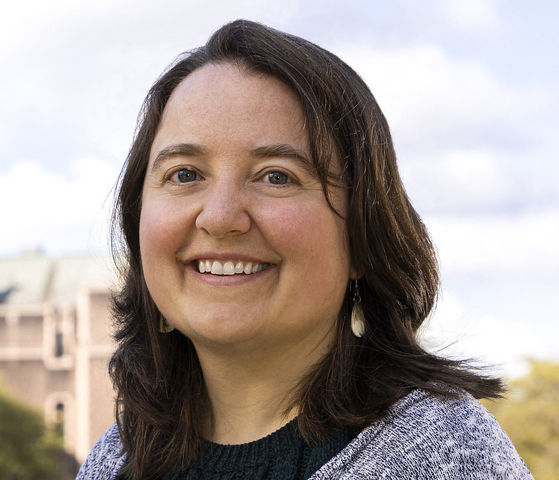
(he/him/his)
technologies for visualizing 3D genome organization
beliveau [ a t ] uw.edu
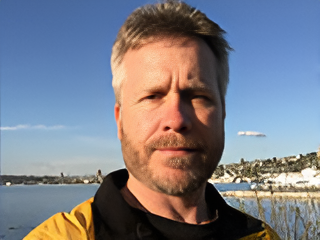
proteomics, mass spectrometry and advanced technology development
jimbruce [ a t ] uw.edu
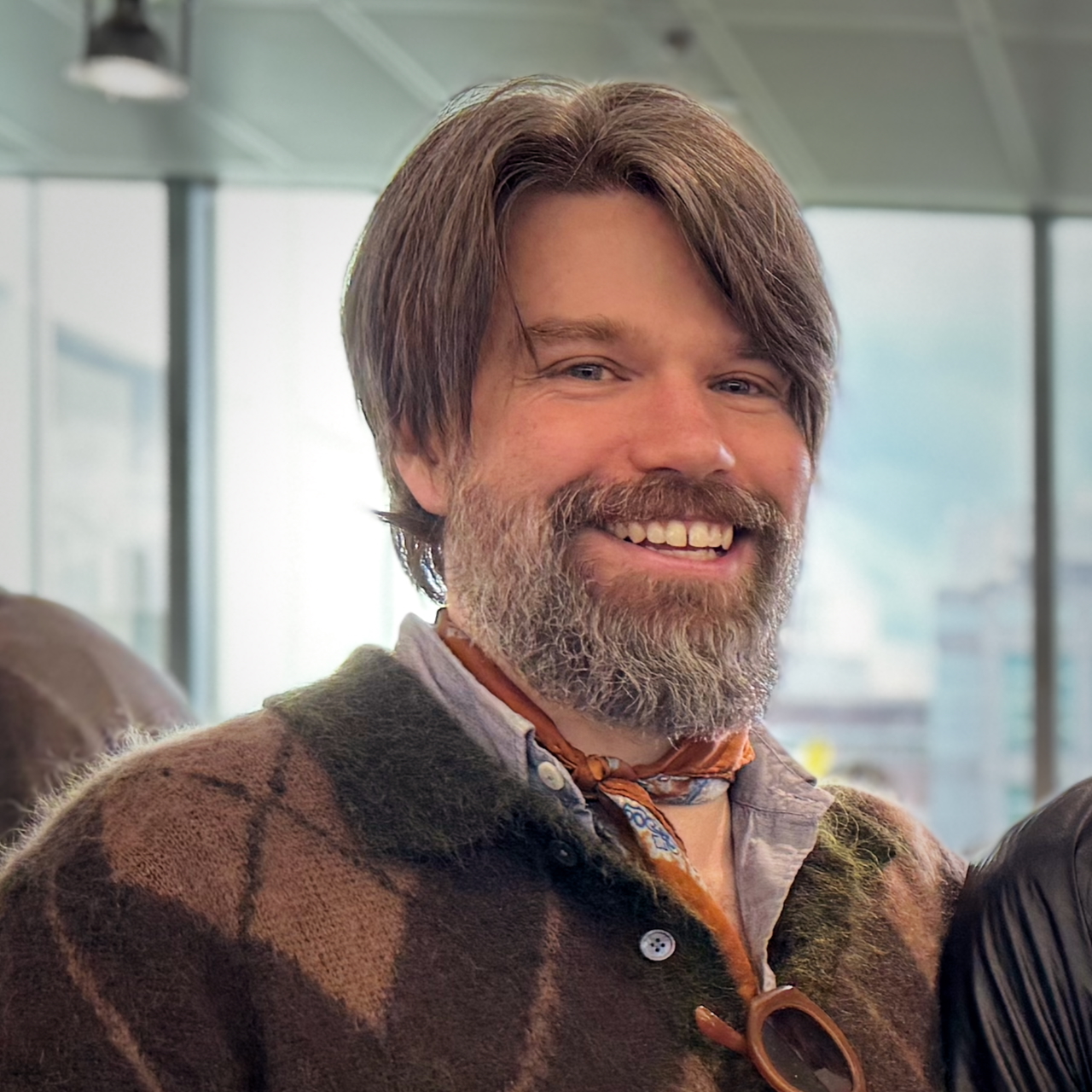
computational biology, evolutionary dynamics, quantitative immunology
wsdewitt [ a t ] uw.edu
(she/her)
(he/him/his)
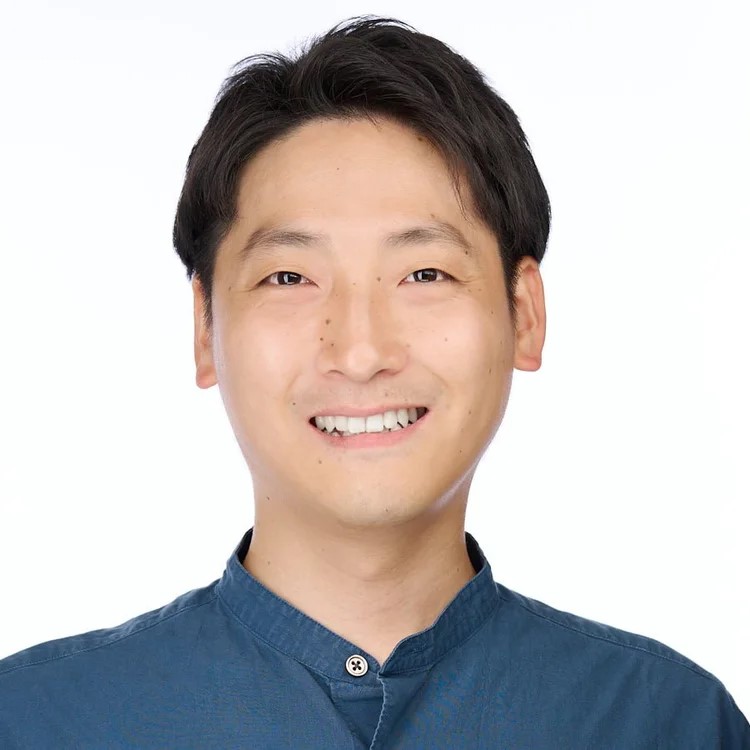
embryonic development, reproductive biology, stem cell engineering, genomic technology
hamazaki [ a t ] uw.edu
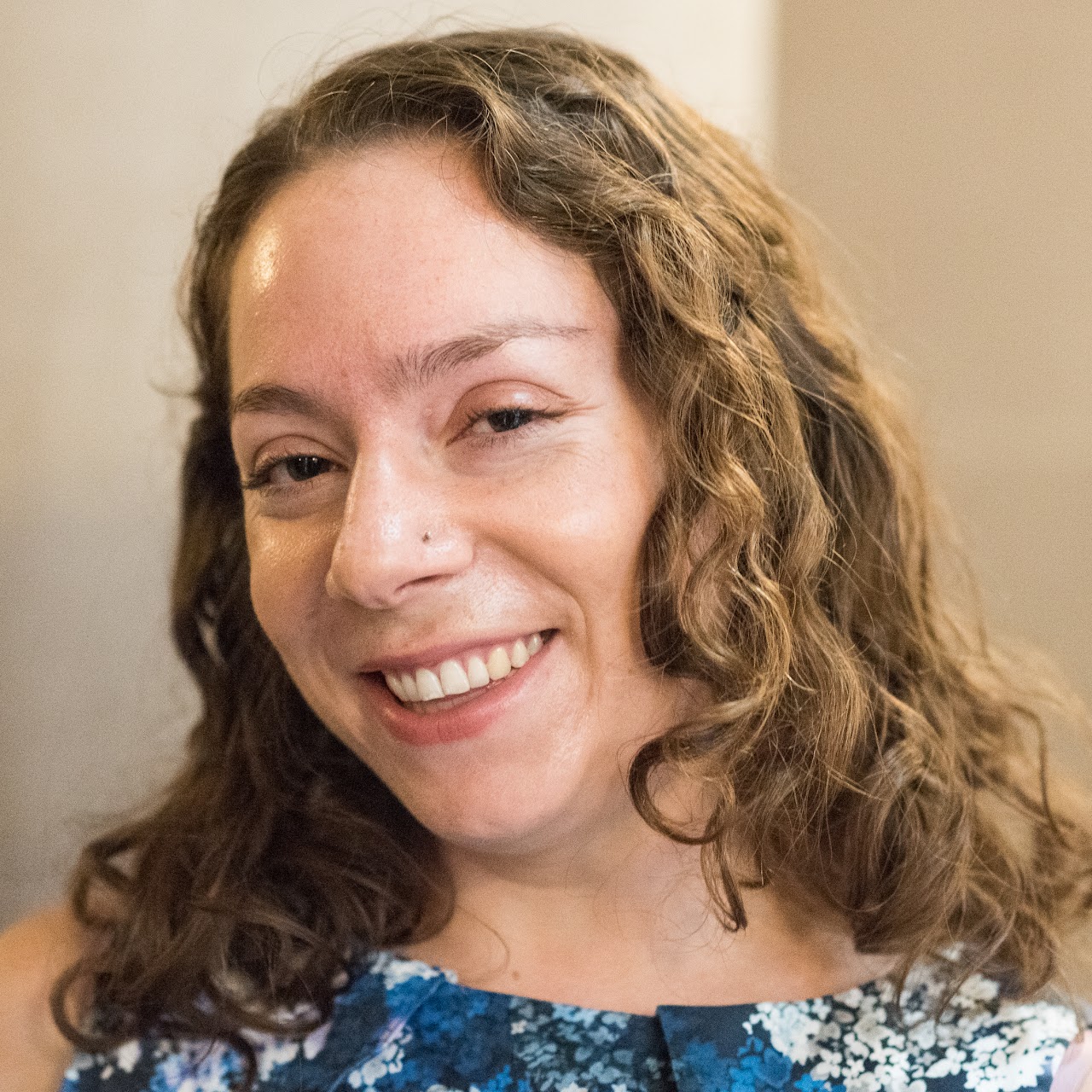
(she/her)
population genetics and genomics; evolution of the mutation rate and spectrum
harriske [ a t ] uw.edu
epigenetics, stem cell biology, transcriptional regulation
rdhawk [ a t ] uw.edu
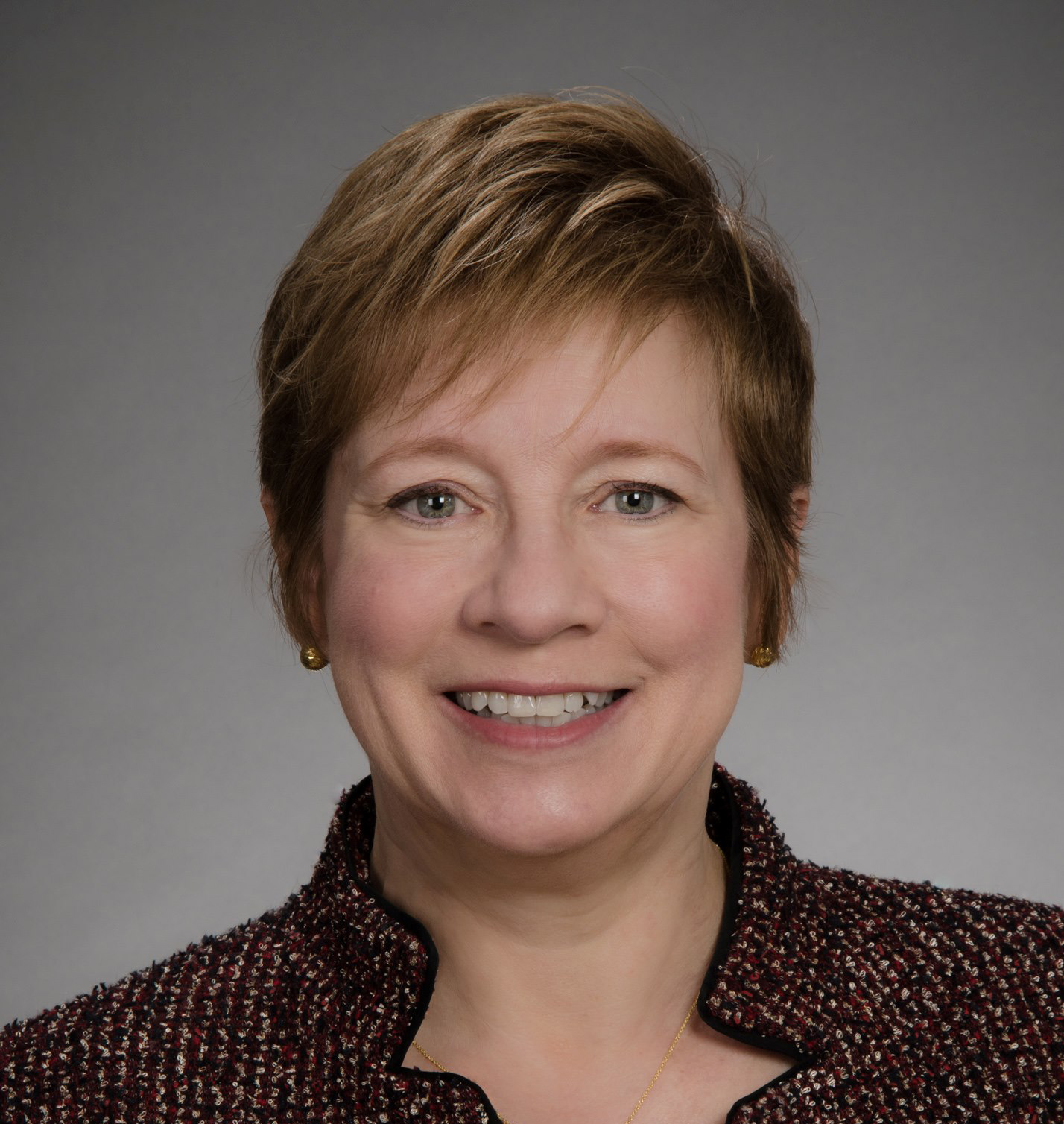
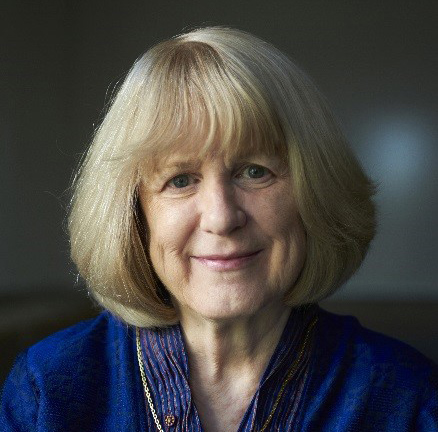
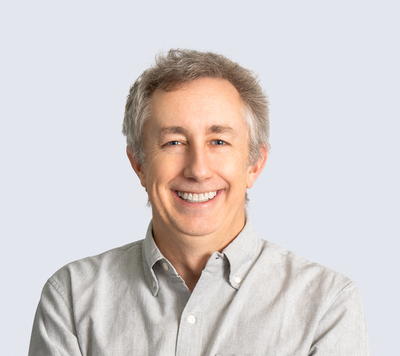
(he/him/his)
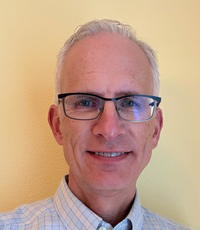
(he/him)
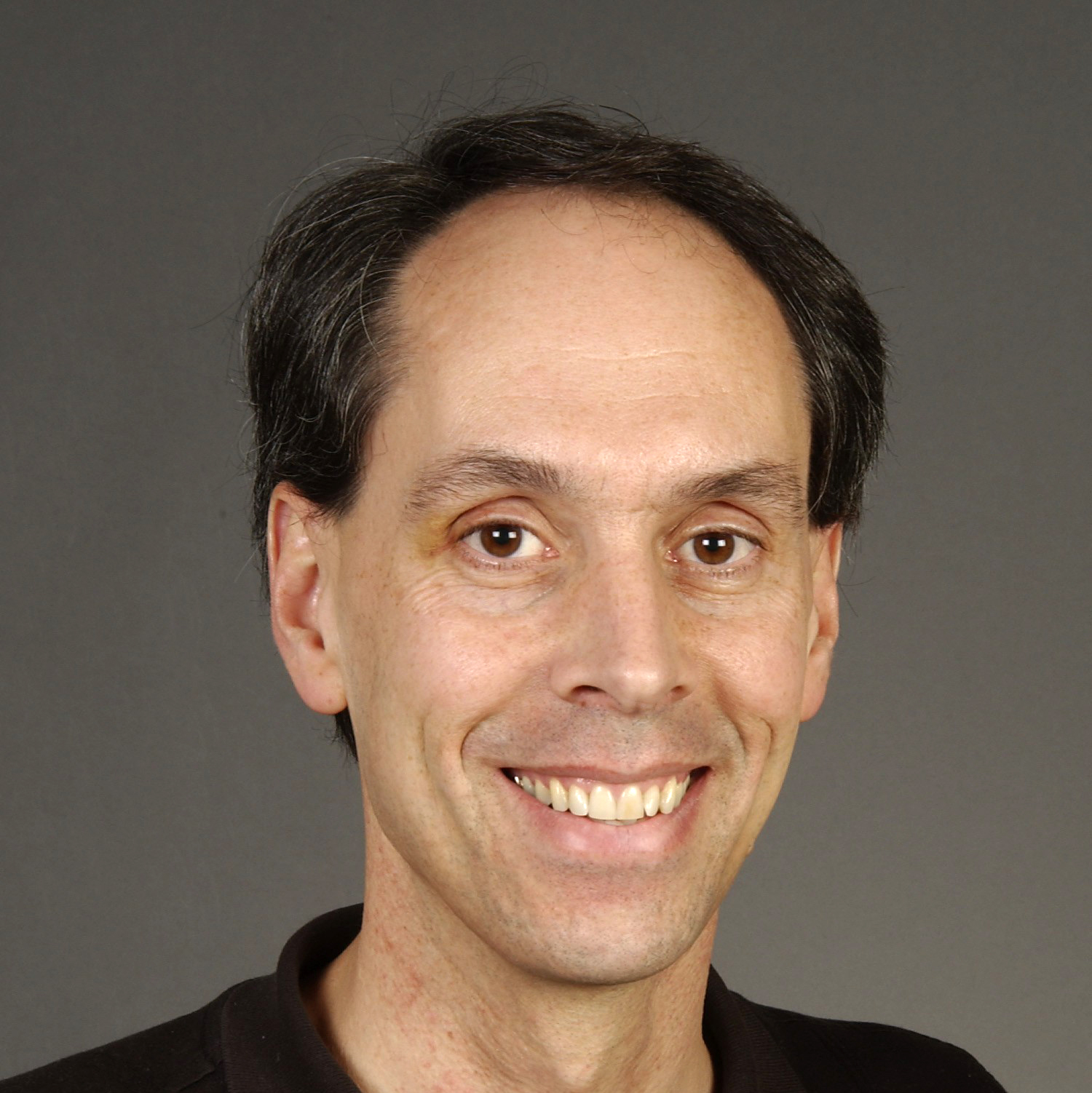
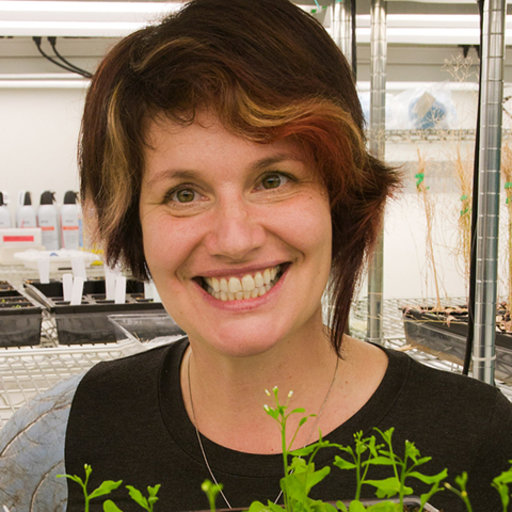
(she/they)
molecular mechanisms underlying phenotypic robustness and evolvability
queitsch [ a t ] uw.edu
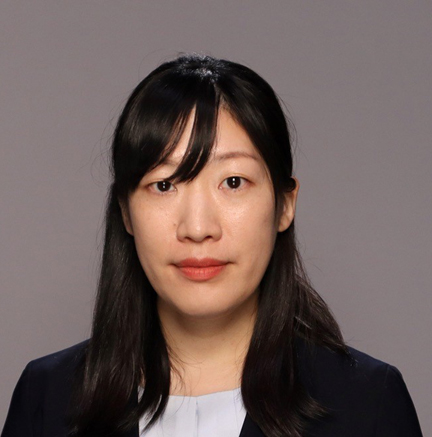
analysis of functional genomics data generated from novel experimental technology
sakaue [ a t ] uw.edu
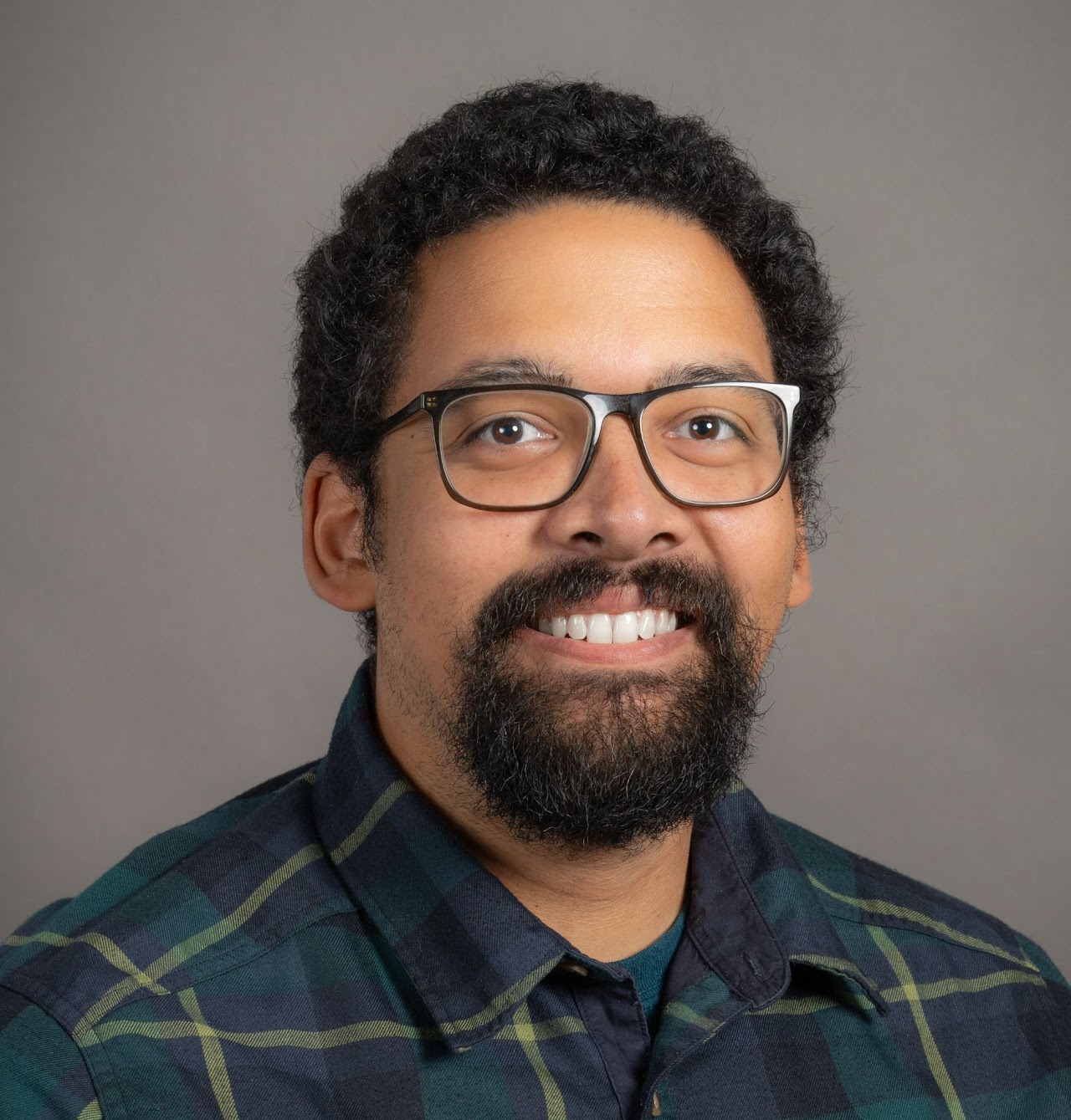
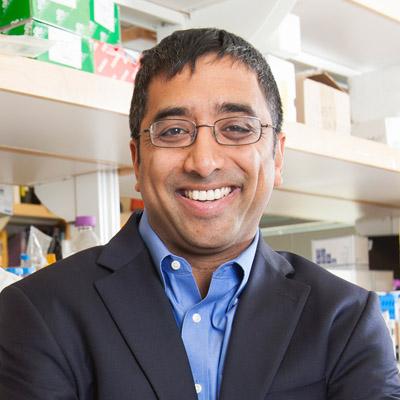
(he/him)
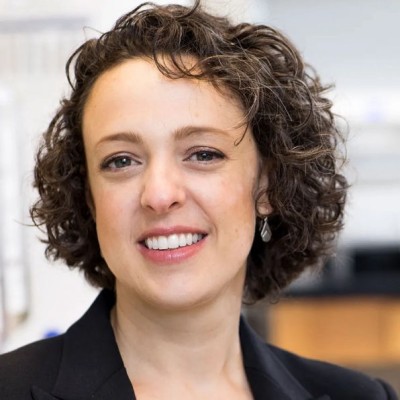
(she/her)
technology development to understand genetic variation
lstarita [ a t ] uw.edu
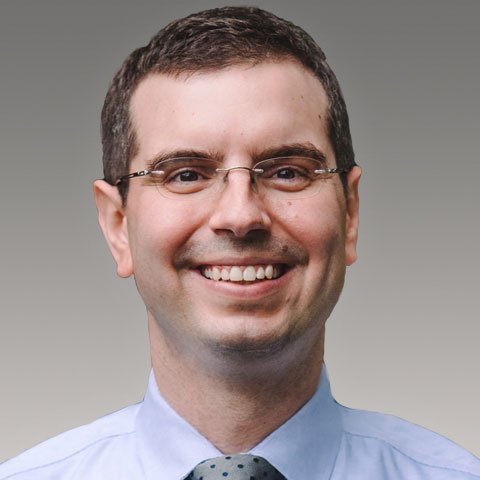

(he/him)
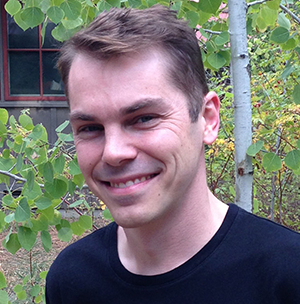
(he/him)
stem cells, differentiation, and single-cell genomics
coletrap [ a t ] uw.edu
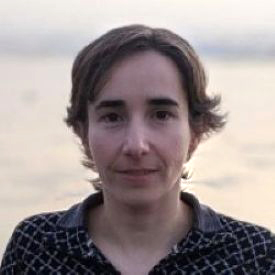
mass spectrometry-based proteomics and cell signaling
jvillen [ a t ] uw.edu
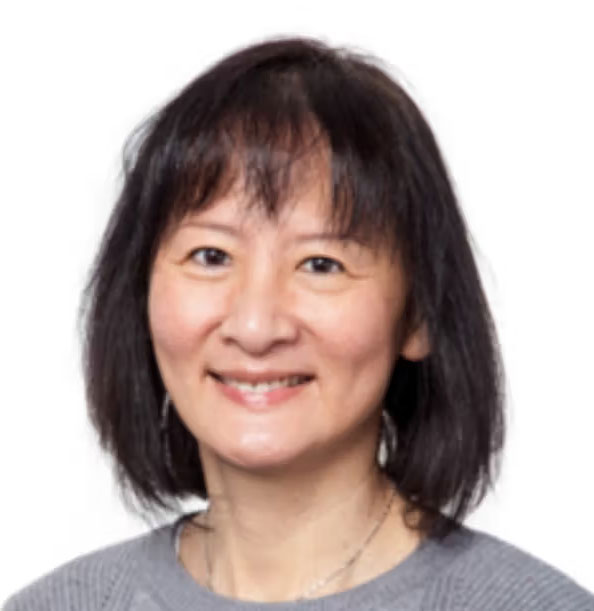
technology development to study genome structures and chromatin organization
weicl [ a t ] uw.edu
Other Training Faculty
These adjunct & affiliate faculty members accept Genome Sciences grads for dissertation research.
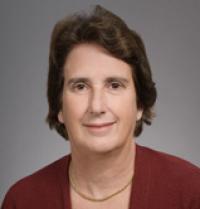
cancer genomics, liquid biopsies, computational biology
gha [ a t ] fredhutch.org
computational biology, systems biology, medical genetics, machine learning
suinlee [ a t ] cs.washington.edu
mechanisms through which cancer-mutated genes drive tumorigenesis
dmacpher [ a t ] fredhutch.org
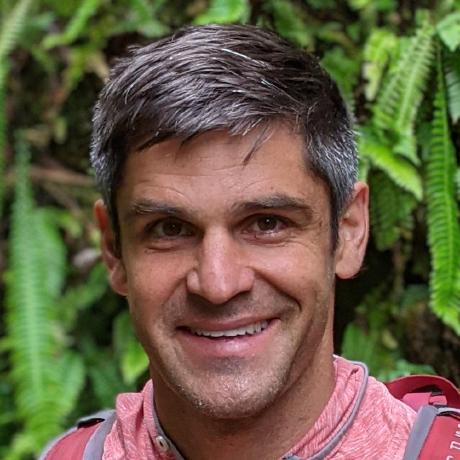
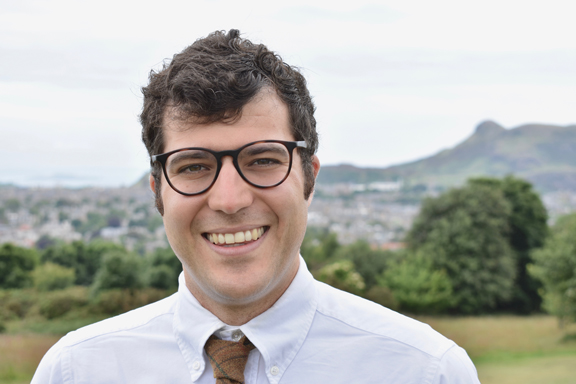
molecular sequence analysis and adaptive immunology
ematsen [ a t ] gmail.com
long-read DNA/RNA sequencing to identify disease-causing genetic changes
dm1 [ a t ] uw.edu
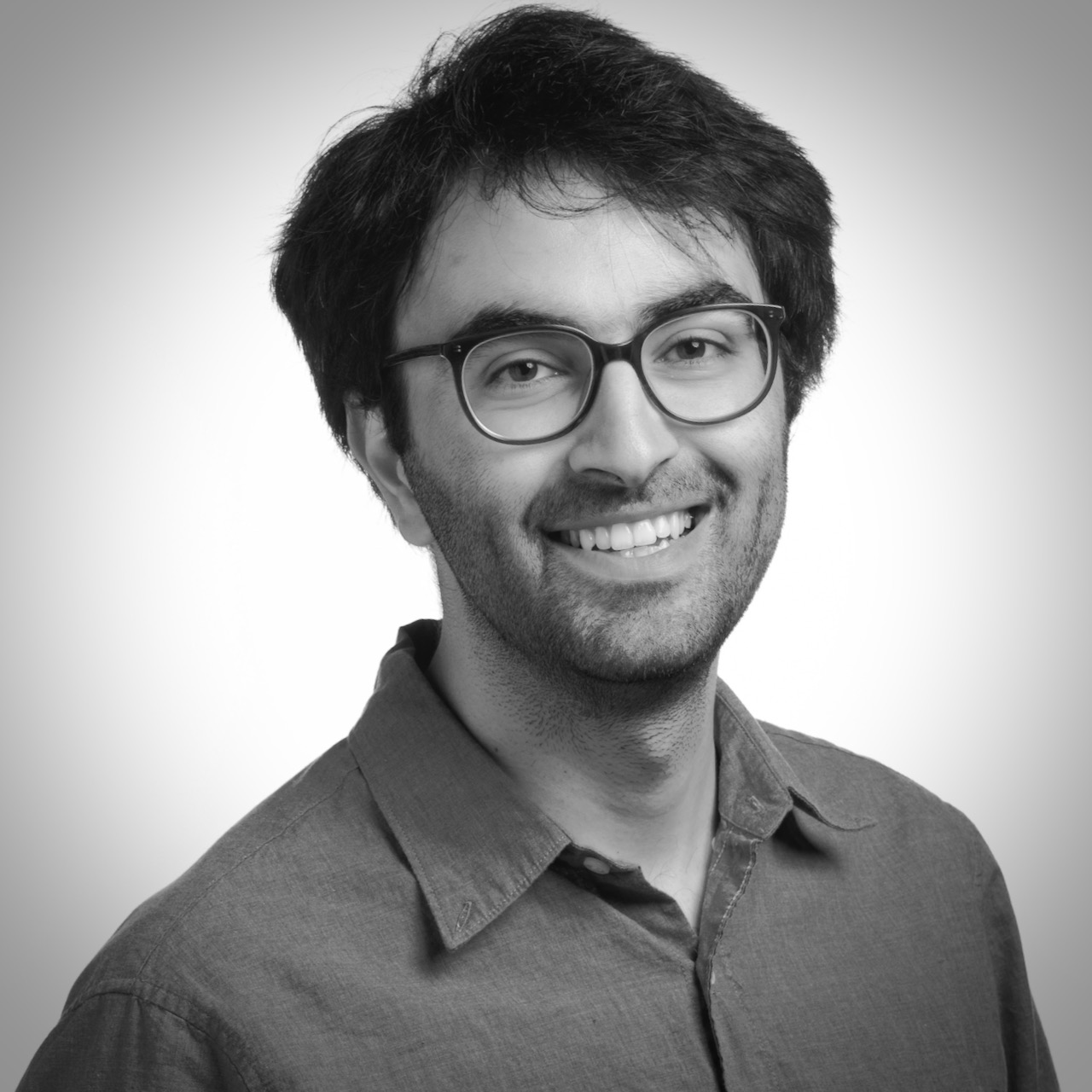
quantitative analysis of regulatory variation in the genome and its application to rare diseases
pejmanm [ a t ] uw.edu
proteogenomics approaches in gene regulation and cell signaling
shaoen [ a t ] uw.edu
single-cell computational biology, regulatory genomics, cell-fate choice
msetty [ a t ] fredhutch.org
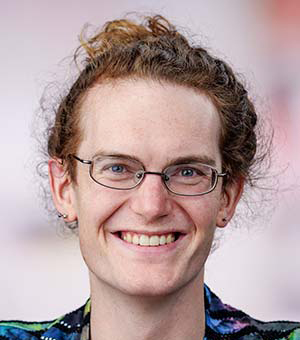
gene-environment interactions & health disparities
nasa [ a t ] fredhutch.org
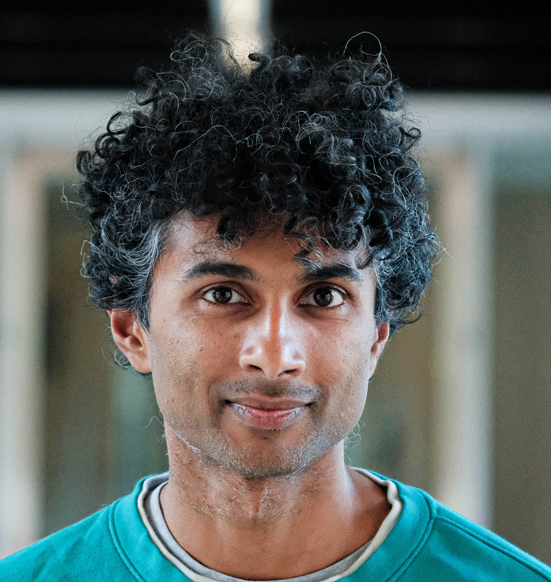
single cell sequencing, spatial transcriptomics, protein sequencing, multiplexed biochemistry
sanjay [ a t ] fredhutch.org
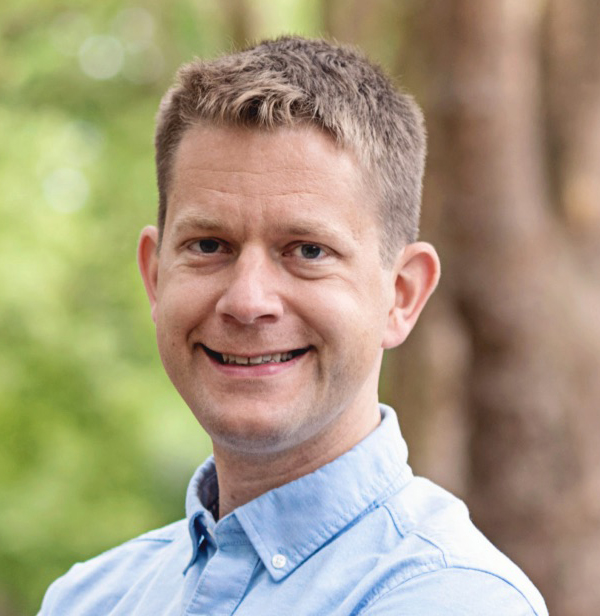
tandem repeat expansions and RNA abnormalities in neurodegenerative disease
paulnv [ a t ] uw.edu
Research Faculty
Research faculty members can co-mentor Genome Sciences grads for dissertation research. Rotations must also be co-mentored.
Teaching Faculty
Senior Faculty
Senior faculty no longer accept students for thesis research.

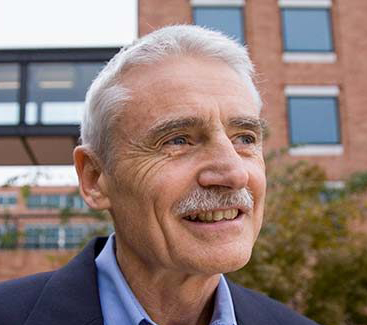
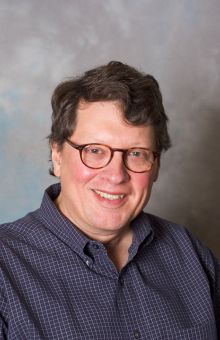
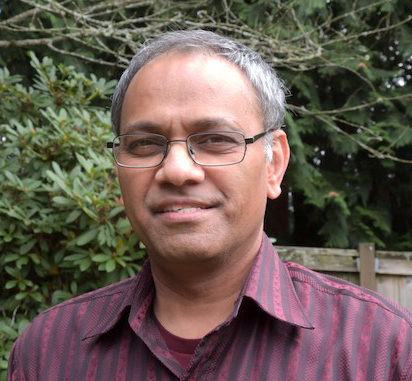
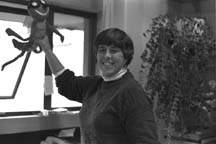
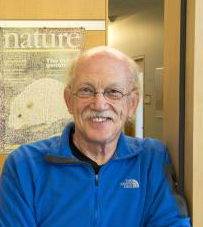
genomics / gene expression / comparative sequence analysis
watersto [ a t ] uw.edu
Affiliated Faculty
Affiliated faculty members do not accept GS graduate students for thesis research.
- Bakken, Trygve
- Borenstein, Elhanan
- Brent, Roger
- Carvalho, Claudia
- Chowning, Jeanne
- Crosslin, David
- Crowder, Michael
- Doherty, Dan
- Domcke, Silvia
- Doulatov, Sergei
- Dudley, Aimee
- Fullerton, Malia (she/her)
- Furlan, Scott
- Gibbons, Sean
- Gu, Liangcai
- Hawrylycz, Michael
- Henikoff, Steven
- Hsieh, Andrew
- Kugel, Sita
- Li, Jingyi Jessica
- Lin, Xueqiu (Chu)
- Lockwood, Tina
- Mefford, Heather
- Nelson, Peter
- Paddison, Patrick
- Ray, John
- Riley, Nick
- Ruohola-Baker, Hannele
- Smith, Gerry
- Subramaniam, Arvind Rasi
- Ventura, Mario
- Xin, Li
- Yang, Mia