


University of Washington School of Medicine Logo Genome Sciences

Faculty

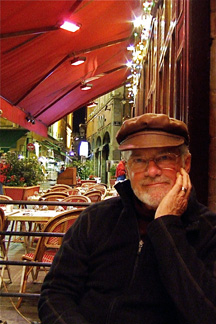
Celeste Berg

Research:

Research in Celeste’s lab focuses on questions concerning patterning and shape — how individual cells within a sheet become different from each other and how they then work together to create an organ. These processes are important for the normal development of an organism, and it is these processes that are modulated to create new forms. To investigate patterning and shape, we use the model system Drosophila melanogaster, which has outstanding genetic and genomic tools that allow temporal and spatial manipulation of gene activity within individual cells. Genome sequence data from related Drosophila species and several distant insects facilitate identification of evolutionarily important sequences, and this information is coupled to a vast literature on these species’ adaptive morphological traits. Celeste has developed a culture system that allows live imaging of developmental events; this tool enables investigation of the mechanisms that execute development and that alter pattern and shape to create evolutionarily diverse forms. Understanding how pattern and shape create form is important because imperfections in these processes cause defects that affect an estimated 3% of live births. For more information on these processes, see the Berg Lab web page.

Selected Publications:

Berg, C., Sieber, M., and Sun, J. 2024. Finishing the egg. Genetics 226: iyad183. https://doi.org/10.1093/genetics/iyad183 PMCID: 10763546 

Sustar, A., Strand, L., Zimmerman, S., and Berg, C. 2023. Imaginal disk growth factors are Drosophila Chitinase-like Proteins with roles in morphogenesis and CO2 response. Genetics 223: iyac185. https://doi.org/10.1093/genetics/iyac185  PMCID: PMC9910413

O’Hanlon*, K. N., Dam*, R. A., Archambeault, S. L., and Berg, C. A. 2018. Two Drosophilids exhibit distinct EGF pathway patterns in oogenesis.  Development, Genes and Evolution 228: 31 – 48.  * co-first authors.  https://doi.org/10.1007/s00427-017-0601-8  PMCID: PMC5805658 

Zimmerman, S. G., Merrihew, G. E., MacCoss, M. J., and Berg, C. A. 2017.  Proteomics analysis identifies orthologs of human chitinase-like proteins as inducers of tube morphogenesis defects in Drosophila melanogaster.  Genetics 206: 973–984. Highlighted Article.  https://doi.org/10.1534/genetics.116.199323  PMCID: PMC5499198 

Osterfield, M., Berg, C. A., and Shvartsman, S. Y. 2017. Epithelial patterning, morphogenesis, and evolution: Drosophila eggshell as a model. Developmental Cell 41: 337 – 348. https://doi.org/10.1016/j.devcel.2017.02.018  PMCID: PMC5443119 

Peters, N. C., and Berg, C. A. 2016. In vitro culturing and live imaging of Drosophila egg chambers: A history and adaptable method. In Oogenesis; Ioannis P. Nezis, ed. Methods in Molecular Biology (Clifton, N.J.) 1457: 35-68. Cover.  http://dx.doi.org/10.1007/978-1-4939-3795-0_4 PMCID: PMC5244582. 

Zimmerman, S. G., Peters, N. C., Altaras, A. E., and Berg, C. A. 2013. Optimized RNA ISH, RNA FISH, and protein—RNA double labeling in Drosophila ovaries. Nature Protocols 8: 2158–2179. http://www.nature.com/nprot/journal/v8/n11/full/nprot.2013.136.html  PMCID: PMC4126239 
Breck Byers

Research:

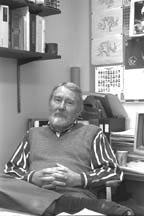
A predominant line of research in the Byers lab concerns the integration of mitotic spindle behavior with other aspects of the yeast cell cycle. Mutations that alter the formation and regulation of spindle pole body — the organelle that plays a key role as the nucleation center for spindle microtubule assembly — lead to identifiable changes in subcellular structure. Detailed analysis of these changes by immunocytochemical and electron microscope methods reveal phenotypic characteristics that provide a framework for isolating yet other mutations affecting important components of the cell cycle mechanism. Functions of current interest include those that mediate the formation of a new spindle pole body at the beginning of the cell cycle or control separation of the newly formed spindle pole from the parental one so that the spindle can form. Other genes under study serve to maintain integrity of the mitotic spindle during the anaphase movements. Key methods include cloning of the relevant genes, sequencing and deletion analysis, and creation of immunological tools (such as epitope-tagged alleles) for cytological studies.

Other research in the lab focuses on the mechanisms that mediate synapsis and recombination between homologous yeast chromosomes in prophase of meiosis. The protein encoded by the HOP1 (for homologue pairing) gene has been found to play a crucial role in assembly of the synaptonemal complex, an organelle that is highly conserved among eukaryotes. Other genes of interest coordinate the complex array of meiotic functions, some of them acting as “checkpoints’ to ensure appropriate rates of progression through successive stages of the overall process.

Selected Publications:

McDonald HB and Breck Byers. 1997. A proteasome cap subunit required for spindle pole body duplication in yeast. J Cell Biol 137:539-553.

Kironmai KM, Muniyappa K, Friedman DB, Hollingsworth NM, and Breck Byers. 1998. DNA-binding activities of Hop1 protein, a synaptonemal complex component of Saccharomyces cerevisiae. Mol Cell Biol 18:1424-1435.

Dirick L, Goetsch L, Ammerer G, and Breck Byers. 1998. Regulation of meiotic S phase by Ime2 and a Clb5,6-associated kinase in Saccharomyces cerevisiae. Science 281:1854-1857.

Mathias N,  Johnson S,  Breck Byers,  Goebl M.  Mar. 1999.  The abundance of cell cycle regulatory protein Cdc4p is controlled by interactions between its f box and Skp1p.  Mol.Cell Biol.   19(3):1759-67

Munoz-Centeno MC,  McBratney S,  Monterrosa A,  Breck Byers,  Mann C,  Winey M.  July 1999.  Saccharomyces cerevisiae MPS2 encodes a membrane protein localized at the spindle pole body and the nuclear envelope.  Mol Biol Cell. 10(7):2393-406.

Muniyappa, K., S. Anuradha, and Breck Byers. 2000. Yeast meiosis-specific protein Hop1 binds to G4 DNA and promotes its formation. Mol. Cell. Biol. 20: 1361-1369.

Comai, L., A.P. Tyagi, K. Winter, R. Holmes-Davis, S.H. Reynolds, Y. Stevens, and B. Byers. 2000. Phenotypic instability and rapid gene silencing in newly formed Arabidopsis allotetraploids. The Plant Cell. 12: 1551-1567.

Zheng, C.-J., S.-W. Guo, and B. Byers. 2000. Modeling the maternal-age dependency of reproductive failure and genetic fitness. Evolution and Development. 2: 203-207

additional publication listings available via PubMed

Walton Fangman

Research:

Walt Fangman retired at the end of 2004. The laboratory continues the research under Bonita J. Brewer.

Selected Publications:

Raghuraman, M.K., Winzeler, E.A., Collingwood, D., Hunt, S., Wodicka, L., Conway, A., Lockhart, D.J., Davis, R.W., Brewer, B.J., Fangman, W.L.. Replication dynamics of the yeast genome. Science. 294: 115-121, 05 Oct 2001

van Brabant A.J., Buchanan C.D., Charboneau E., Fangman W.L., Brewer B.J. An origin-deficient yeast artificial chromosome triggers a cell cycle checkpoint. Molecular Cell. 7(4): 705-13, Apr 2001

Ward T.R., Hoang M.L., Prusty R., Lau C.K., Keil R.L., Fangman W.L., Brewer B.J. Ribosomal DNA replication fork barrier and HOT1 recombination hot spot: shared sequences but independent activities. Molecular and Cellular Biology. 20(13): 4948-57, Jul 2000

van Brabant A.J., Fangman W.L., Brewer B.J. Active role of a human genomic insert in replication of a yeast artificial chromosome.. Mol Cell Biol. 19(6): 4231-40, Jun 1999

Donaldson A.D., Raghuraman M.K., Friedman K.L., Cross F.R., Brewer B. J., Fangman W. L. CLB5-dependent activation of late replication origins in S. cerevisiae.. Mol Cell. 2(2): 173-82, Aug 1998

additional publication listings available via PubMed

Joe Feselstein

Research:

We have lately been working on methods for estimating population parameters (such as effective population size, mutation rate, and so on) from population samples of molecular sequences. The genes at one locus in a population are related by a “gene tree” that depicts which ones are descended from recent common ancestors.

We have been using a computationally intensive method known as Markov Chain Monte Carlo Integration to make approximate calculations of the statistical likelihoods for different values of the population parameters. We are now distributing a free package of computer programs, LAMARC, to do these calculations. We think that these methods will become the standard way of analyzing population samples of sequences. My colleagues in this work have been Mary Kuhner, Jon Yamato, and Peter Beerli.

I have also been working lately on models and inference methods for quantitative characters varying between species and within-species, allowing us to infer correlated evolution of different characters. One important case is discrete 0/1 phenotypes, which can be caused by an underlying polygenic quantitative character. Years ago Sewall Wright made such a model, called the threshold model. I have adapted this to inference of covariation between characters in their evolution, by assuming that the underlying characters evolve in a correlated fashion, but that the 0/1 characters just show which of the underlying characters exceed the threshold that separates the two states. Making inferences about the covariation requires Markov chain Monte Carlo methods. I have also been working on inferring whether characters measured in different populations of a single species are under natural selection which is affected by some measured environments. There the problem is to correct for the similarities of populations that are connected by gene flow.

Selected Publications:

2002. Felsenstein, J. Quantitative characters, phylogenies, and morphometrics. pp. 27-44 in “Morphology, Shape, and Phylogenetics”, ed. N. MacLeod. Systematics Association Special Volume Series 64. Taylor and Francis, London.

2002. Felsenstein, J. Contrasts for a within-species comparative method. pp. 118-129 in “Modern Developments in Theoretical Population Genetics”, ed. M. Slatkin and M. Veuille. Oxford University Press, Oxford.

2004.  Felsenstein, J. Inferring Phylogenies. Sinauer Associates, Sunderland, Massachusetts.

2005. Felsenstein, J. Using the quantitative genetic threshold model for inferences between and within species. Philosophical Transactions of the Royal Society of London, series B 360: 1427-1434.

2006. Accuracy of coalescent likelihood estimates: Do we need more sites, more sequences, or more loci? Molecular Biology and Evolution 23: 691-700.

2007. Trees of genes in populations. pp. 3-29 in Reconstructing Evolution. New Mathematical and Computational Advances, ed. O. Gascuel and M. Steel. Clarendon Press, Oxford.

2007. Has natural selection been refuted? The arguments of William Dembski. Reports of the National Center for Science Education 27 (3-4): 20-26.

2008. Comparative methods with sampling error and within-species variation: contrasts revisited and revised. American Naturalist 171: 713-725.

2008. (A. RoyChoudhury, J. Felsenstein, and E. A. Thompson). A two-stage pruning algorithm for likelihood computation for a population tree. Genetics
180: 1095-1105.

Stanley Fields

Research:

The major focus of the Fields laboratory has been the development and implementation of new technologies. Our motivation is that a novel technology can catalyze research across a spectrum of biological investigations, often leading to multiple applications beyond those initially envisioned. Technology development has led us to experimental questions that we had previously not explored, stimulated collaborations with computational biologists, biochemists and structural biologists, and provided opportunities to contribute to findings in medicine, as through studies of cancer-associated proteins, polyglutamine aggregation, aging, Toll-like receptors and malaria. Much of our research has centered on methods of protein analysis, although we have also put effort into methodologies to analyze DNA and RNA, to further synthetic biology approaches and to explore the engineering of bacteriophages.

For many of our technology efforts, we use the unicellular eukaryote Saccharomyces cerevisiae (baker’s yeast) as the host organism for carrying out assays, but we also exploit E. coli, plant cells and tissue culture. Our philosophy on technology development is to pursue projects that can address important questions in basic biology or medicine and that can be readily applied by other labs. Recent projects have included the use of deep mutational scanning to analyze protein activities; the development of biosensors in bacteria and yeast; the identification of dominant negative mutants as reagents to inhibit protein function; and the use of mutant tRNAs to mistranslate proteins for genotype-phenotype studies.

Selected Publications:

Gamble, C.E., Brule, C.E., Dean, K.M., Fields, S. and Grayhack, E.J. (2016) Adjacent codons act in concert to modulate translation efficiency in yeast. Cell 166: 679-690.

Bhagavatula, G., Rich, M.S., Young, D., Marin, M. and Fields, S. (2017) A massively parallel fluorescence assay to detect the effects of synonymous mutations on TP53 expression. Molecular Cancer Research15: 1301-1307.

Cuperus, J.T, Groves, B., Kuchina, A., Rosenberg, A.B., Jojic, N., Fields, S. and Seelig, G. (2017) Deep learning of the regulatory grammar of yeast 5’ untranslated regions from 500,000 random sequences. Genome Research 27: 2015-2024.

Starita, L.M., Islam, M.M., Banerjee, T., Adamovich, A.I., Gullinsrud, J., Fields, S., Shendure, J. and Parvin, J.D. (2018) A multiplexed homology-directed DNA repair assay reveals the impact of more than 1,000 BRCA1 missense substitution variants on protein function. American Journal of Human Genetics 103: 498-508.

Brandsen, B.M., Mattheisen, J., Noel, T. and Fields, S. (2018) A biosensor strategy for E. coli based on ligand-dependent stabilization. ACS Synthetic Biology 7; 1990-1999.

Zimmerman, S.M., Kon, Y., Hauke, A.C., Ruiz, B.Y., Fields, S. and Phizicky, E.M. (2018) Conditional accumulation of toxic tRNAs to cause amino acid misincorporation. Nucleic Acids Research, 24: 410-422.

Dorrity, M.W., Queitsch, C. and Fields, S. (2019) High-throughput identification of dominant negative polypeptides in yeast. Nature Methods 16: 413-416.

additional publication listings available via PubMed

Jon Gallant

Research:

Jon Gallant, a native of the planet Uranus, received his undergraduate degree at Haverford College during the late Pleistocene Epoch, and his Ph.D. (in Genetics and Biochemistry) somewhat later from Johns Hopkins University. He has been here at the University of Washington since the glaciers receded.

Gallant’s laboratory played a major role in the analysis of the stringent control mechanism of bacteria, which links the pattern of transcription (and many aspects of metabolism) with the aminoacylation level of tRNA. Subsequently, they found that mutants defective in this control mechanism suffer increased errors in translation in response to imbalances in the aminoacyl-tRNA pools. This led to a variety of experimental approaches to the factors governing the accuracy of translation, and, more recently, of transcription.

Current experimental work focuses on the way in which reading frame is maintained or shifted as ribosomes translate the genetic code. The lab has analyzed sequence rules governing the tendency of ribosomes to shift either rightward or leftward when stalled at a “hungry” codon calling for an aminoacyl-tRNA in short supply.  Among other things, they demonstrated how easy it is to convert a left-winger to a right-winger.  More recently, they demonstrated that stalled ribosomes are capable of sliding over “hungry” codons and sequences downstream of them, and then continuing translation further on. In fact, the sliding (or “bypassing”) phenomenon can be demonstrated in ordinary growing cells, and on a large variety of sequences. At this time, the lab is concentrating on defining the sequence rules which govern this phenomenon. Since ribosome frameshifting is employed in the translation of many plant and animal viruses (including retroviruses) and in a variety of bacterial and eukaryotic transposons, the basic rules governing its relationship to the genetic code may be of general interest.

Selected Publications:

Gallant, J. and Lindsley, D. 1993. Ribosome Frameshifting at Hungry Codons: Sequence Rules, Directional Specificity, and Possible Relationship to Mobile Element Behaviour. In: Biochemical Society Colloquium: “The New Biology of Protein Synthesis,” Biochemical Journal 21:817-823.

Barak, Z., Lindsley, D. and Gallant, J. 1996. On the Mechanism of Leftward Frameshifting at Several Hungry Codons. J. Mol. Biol. 256:676-684.

Gallant, J.A. and Lindsley, D.  1998.  Ribosomes can slide over and beyond “hungry” codons, resuming protein chain elongation many nucleotides downstream.  Proceedings of the National Academy of Sciences (US) 95:  13771-13776.

Gallant, J., Lindsley, D., and Masucci, J. The Unbearable Lightness of Peptidyl-tRNA. Chapter 31 of The Ribosome: Structure, Function, Antibiotics, and Cellular Interactions. Garrett, R.A., Douthwaite, A. eds., Washington: ASM Press, 2000.

Lindsley, D., Gallant, J., and Guarneros, G. (2003) Ribosome bypassing elicited by tRNA depletion. Mol. Microbiol. 48: 1267-1274

Gallant, J., Bonthuis, P., and Lindsley, D. (2003) Evidence that the bypassing ribosome travels through the coding gap. Proc. Natl. Acad. Sci. USA 100: 13430-13435.

Gallant, J. et al. (2004) On the role of the starved codon and the takeoff site in ribosome bypassing in Escherichia coli. J. Mol. Biol. 342: 713-724.

additional publication listings available via PubMed

Leland Hartwell

Research:

My laboratory is beginning a new research program aimed at studying how molecular circuits support evolution. Evolution acts through selection of preexisting genetic variation in populations. Three important questions are: 1) How does variation occur? 2)How is variation maintained? 3) How is genetic variation expressed as phenotypic variation? The first question is well studied. We are currently focused on the second. A variety of biochemical mechanisms (including gene redundancy, co-assembly of proteinsinto macromolecular complexes, positive feedback, robust circuit design, repair processes) minimize the phenotypic consequences of genetic variation and thereby allow cells to tolerate it. These relationships can be revealed by synthetic-phenotypes. That is, if one gene plays a role that buffers the phenotypic expression of variation in another, then loss of the first reveals the phenotypic consequences of variation in the second. Synthetic-lethal relationships have been widely studied in yeast althoughrarely systematically or comprehensively. Anecdotal results strongly suggest that buffering mechanisms are modular. That is, the cellular circuitry is organized into modules that buffer the expression within their module but do not affect other modules.We are developing methods to be both systematic and comprehensive in the investigation of synthetic phenotypes and are focusing on tolerance of genetic variation in the DNA synthetic apparatus. Since the very mechanisms that permit the maintenance of variation also diminish its phenotypic expression, the third question becomes significant. Phenotypic expression of genetic variation in the DNA synthetic apparatus has additional implications for evolution (and cancer) since this variation can be expressed as mutator phenotypes.

Selected Publications:

Simon JA; Szankasi P; Nguyen DK; Ludlow C; Dunstan HM; Roberts CJ; Jensen EL; Hartwell LH; Friend SH. Differential toxicities of anticancer agents among DNA repair and checkpoint mutants of Saccharomyces cerevisiae.. Cancer Res. 60(2): 328-33, 15 2000

Simon, J.A., Szankaski, P., Nguyen, D.K., Ludlow, C, Dunstan, H.M., Roberts, C.J., Jensen, E.L., Hartwell, L.H., Friend, S.H.. Differential toxicities of anticancer agents among DNA repair and checkpoint mutants of Saccharomyces cerevisiae. Cancer Research. 60(2): 328-333, 2000

Hartwell, L.H., Hopfield, J.J., Leibler, S., Murray, A.W.. From molecular to modular cell Biology. Nature 402 supplement. 6761: C47-C52, 1999

Marton MJ, DeRisi JL, Bennett HA, Iyer VR, Meyer MR, Roberts CJ, Stoughton R, Burchard J, Slade D, Dai H, Bassett DE Jr, Hartwell LH, Brown PO, Friend SH. Drug target validation and identification of secondary drug target effects using DNA microarrays. Nature Medicine. 4(11): 1293-301, Nov 1998

Paulovich AG, Armour CD, Hartwell LH. The Saccharomyces cerevisiae RAD9, RAD17, RAD24 and MEC3 genes are required for tolerating irreparable, ultraviolet-induced DNA damage. Genetics. 150(1): 75-93, Sep 1998

Raymond Monnat

Research:

We are interested in the molecular mechanisms that insure human genome stability, and how these modulate cancer or other acquired disease risk, and the response to therapies such as anti-cancer chemo- and radiation therapies. We also develop and use genome engineering tools and approaches to understand, treat or prevent disease, and to determine the functional phenotype of human genetic variants.

Specific disease interests include the RECQ helicase and Fanconi anemia deficiency syndromes and associated cancers. Our more engineering-oriented work is focused on human gene therapy ‘safe harbor’ sites, preclinical models of human brain cancers such as glioblastoma and the use of gene drive technology to counter malaria.
More information on these research areas can be found on our lab website – follow the link from this page or search monnatlab.org

Selected Publications:

Knijnenburg, T, Wang, L, Chambwe, N …Monnat, R.J., Jr., Xiao, Y. and Wang, C. on behalf of TCGA DNA Damage Repair Analysis Working Group (2018) Landscape of DNA damage repair deficiency across The Cancer Genome Atlas. Cell Reports 23: 239-254. doi: 10.1016/j.celrep.2018.03.076.

Pellenz S, Phelps MP, Tang W, Hovde BT, Sinit R, Fu W, Li H, Chen E, and Monnat RJ Jr. (2019) New human chromosomal safe harbor sites for genome engineering with CRISPER/Cas9, TAL effector and homing endonucleases.  Human Gene Therapy 30:814-828. doi: 10.1089/hum.2018.16doi: 10.1089/hum.2018.169.

Horowitz L. F., Rodriguez A.D., Dereli-Korkut Z., Lin R., Castro K., Mikheev A., Monnat R.J. Jr., Folch A. and Rostomily R.C. (2020) Multiplexed drug testing of tumor slices using a microfluidic platform NPJ Precision Oncology 19;4:12. PMC7237421. doi: 10.1038/s41698-020-0117-y.

Hasle N, Cooke A, Srivatsan S, Huang H, Stephany JJ, Krieger Z, Jackson D, Tang Weilliang, Pendyala S, Monnat RJ Jr., Trapnell C, Hatch EM, and Fowler DM (2020). High-throughput microscope-based sorting to dissect cellular heterogeneity. Molecular Systems Biology 16(6):e9442. PMC7273721 DOI: 10.15252/msb.20209442.

Carbone M, Arron ST, Beutler B, Bononi A, Cavenee W, Cleaver JE, Croce CM, D’Andrea A, Foulkes WD, Gaudino G, Groden JL, Henske EP, Hickson ID, Hwang PM, Kolodner RD, Mak TW, Malkin D, Monnat RJ Jr, Novelli F, Pass HI, Petrini JH, Schmidt LS, Yang H. (2020) Tumour predisposition and cancer syndromes as models to study gene-environment interactions. Nature Reviews Cancer PMID: 32472073 DOI: 10.1038/s41568-020-0265-y.

Maynard Olson

Research:

New methods of genome analysis and the application of these methods to the study of the human and other genomes are the main focuses of our research, much of which is carried out at the University of Washington Genome Center. A major scientific focus of the Center’s research program involves the study of natural variation in DNA sequences. In human DNA, most of the variation involves simple base-pair substitution polymorphisms: typical humans are heterozygous at approximately one base pair in a thousand throughout most of the genome. However, there are some regions in which sequence variation is as high as several percent of the nucleotides. We are developing new methods to detect these “variation hot spots” and to analyze the evolutionary forces that gave rise to them.

In parallel with the human studies, we are analyzing genetic variation in the opportunistic human pathogen Pseudomonas aeruginosa. The Genome Center recently determined the sequence of the 6.3-Mbp genome of this bacterium and is now analyzing variation in the genome across different clinical isolates of P. aeruginosa and across time during chronic infections of individual patients. In this research, our principal focus is on pulmonary infections of cystic fibrosis patients. The airways of most CF patients become infected with P. aeruginosa, and these infections now account for most of the morbidity and mortality in CF.

Selected Publications:

Stover, C.K., Pham, X.Q., Erwin, A.L., Mizoguchi, S.D., Warrener, P., Hickey, M.J., Brinkman, F.S.L., Hufnagle, W.O., Kowalik, D.J., Lagrou, M., Garber, R.L., Goltry, L., Tolentino, E., Westbrock-Wadman, S., Yuan, Y., Brody, L.L., Coulter, S.N., Folger, K.R., Kas, A., Larbig, K., Lim, R., Smith, K., Spencer, D., Wong, G.K.-S., Wu, Z., Paulsen, I.T., Reizer, J., Saier, M.H., Hancock, R.E.W., Lory, S., and Olson, M.V. (2000). Complete genome sequence of Pseudomonas aeruginosa PA01, an opportunistic pathogen. Nature 406: 959-964.

Wood, D.W., Setubal, J.C., Kaul, R., Monks, D.E., Kitajima, J.P., Okura, V.K., Zhou, Y., Chen, L., Wood, G.E., Almeida Jr., N.F., Woo, L., Chen, Y., Paulsen, I.T., Eisen, J.A., Karp, P.D., Bovee Sr., D., Chapman, P., Clendenning, J., Deatherage, G., Gillett, W., Grant, C., Kutyavin, T., Levy, R., Li, M.-J., McClelland, E., Palmieri, A., Raymond, C., Rouse, P., Saenphimmachak, C., Wu, Z., Romero, P., Gordon, D., Zhang, S., Yoo, H., Tao, Y., Biddle, P., Jung, M., Krespan, W., Perry, M., Gordon-Kamm, B., Liao, L., Kim, S., Henrick, C., Zhao, Z.-Y., Dolan, M., Chumley, F., Tingey, S.V., Tomb, J.-F., Gordon, M.P., Olson, M.V., and Nester, E.W. (2001). The genome of the natural genetic engineer Agrobacterium tumefaciens C58. Science 294, 2317-2323.

International Human Genome Sequencing Consortium (2001). Initial sequencing and analysis of the human genome. Nature 409: 860-921.

Raymond, C.K., Sims, E.H., and Olson, M.V. (2002). Linker-mediated recombinational subcloning of large DNA fragments using yeast. Genome Res. 12, 190-197.

Raymond, C.K., Sims, E.H., Kas, A., Spencer, D.H., Kutyavin, T.V., Ivey, R.G., Zhou, Y., Kaul, R., Clendenning, J.B., and Olson, M.V. (2002). Genetic variation at the O-antigen biosynthetic lcus in Pseudomonas aeruginosa. J. Bacteriol. 184, 3614-3622.

Williams, B.J., Golomb, M., Phillips, T., Brownlee, J., Olson, M.V., and Smith, A.L. (2002). Bacteriophage HP2 of Haemophilus influenzae. J. Bacteriol. 184, 6893-6905.

Olson, M.V. (2002). The Human Genome Project: A player?s perspective. J. Mol Biol. 319, 931-942.

Spencer, D.H., Kas, A., Smith, E.E., Raymond, C.K., Sims, E.H., Hastings, M., Burns, J.L., Kaul, R., and Olson M.V. (2003). Whole-genome sequence variation among multiple isolates of Pseudomonas aeruginosa. J. Bacteriol. 185, 1316-1325.

Jacobs, M.A., Alwood, A., Thaipisuttikul, I., Spencer, D., Haugen, E., Ernst, S., Will, O., Kaul, R., Raymond, C., Levy, R., Chun-Rong, L., Guenthner, D., Bovee, D., Olson, M.V., and Manoil, C. (2003). Comprehensive transposon mutant library of Pseudomonas aeruginosa. Proc. Natl. Acad. Sci. USA, 100, 14339-14344.

Olson, M.V., Kas, A., Bubb, K., Qui, R., Smith, E.E., Raymond, C.K., and Kaul, R. (2004). Hypervariability, suppressed recombination and the genetics of individuality. Phil. Trans. R. Soc. London, Series B 359, 129-140.

additional publication listings available via PubMed

Carol Sibley

Research:

Plasmodium falciparum is a single celled parasite that causes the most deadly of the 4 kinds of human malaria. There is currently no vaccine to prevent this disease, and about 200 million people suffer from malaria each year. In fact, malaria causes 2 million deaths each year, most of them children in sub-Saharan Africa. There is an acute need for effective chemotherapeutic agents for prophylaxis and treatment of falciparum malaria. Drugs that target dihydrofolate reductase (DHFR), a key enzyme in the synthesis of deoxythymidine, histidine, and methionine and sulfonamides that target dihydropteroate synthase (DHPS), required for the synthesis of folate have been extremely effective in the past . In most cases, combinations of these drugs have been used, because the drugs act synergistically. However, the incredibly rapid selection of resistant P. falciparum populations has made the drugs virtually useless in many regions. The parasites are resistant to the drugs because they carry alleles of the DHFR or DHPS genes that encode mutant forms of the target enzyme.

The P. falciparum parasites can be grown in the lab, but their culture is expensive and labor intensive. To simplify study of these target enzymes from P. falciparum, we have engineered a series of strains of the budding yeast, Saccharomyces cerevisiae. These yeast lack endogenous DHFR or DHPS, but can grow because we have transformed them with the P. falciparum version of one of these enzymes. This approach has allowed us to use the yeast system to study the function of the parasite enzymes in a simple, inexpensive way. Normally, yeast are insensitive to antimalaria drugs, but these engineered yeast strains are now sensitive to inhibitors of the P. falciparum enzymes. We are studying the mutations in the DHFR and DHPS genes that confer resistance to inhibitors of these enzymes. We have used this approach to identify new mutations that can encode drug-resistant enzymes, and to screen a panel of potential new inhibitors for their effectiveness against the parasite enzymes. In addition, we have used the polymerase chain reaction to amplify DHFR genes from blood samples collected between 1984 and 2001 in Kenya. Yeast strains that express these alleles have been engineered, and used to characterize the drug sensitivity profiles of the parasites that infected these patients. These data are being used to reconstruct the history of the selection for drug-resistant alleles that has occurred since the introduction of Fansidar into use in Kenya.

We have recently extend these studies to include the DHFR and DHPS genes from a number of other related pathogens (Plasmodium vivax, Cryptosporidium parvum, Toxoplasma gondii)  and the bacterium that causes tuberculosis, Mycobacterium tuberculosis. We have two overall goals in our work. First, to use the basic techniques of genetics and molecular biology to understand the mechanism of inhibition of DHFR and DHPS by antifolate drugs. This will allow the design of alternative drugs that are effective against parasites that are resistant to currently available drugs. Second, to use this simple yeast system to understand the selection pressures that have resulted in mutations that confer drug resistance.  Our work is highly collaborative.  We have strong collaborations with colleagues at the Wellcome Trust Research Laboratory in Nairobi, Kenya, the National Institute for Medical Research, Amani-Tanga, Tanzania, the Liverpool School of Tropical Medicine, the London School of Hygiene and Tropical Medicine, and the University of Manchester Institute of Science and Technology, in the UK, Jacobus Pharmaceutical Company in Princeton, NJ, the Dana Farber Cancer Institute, Boston, MA and the CSIRO in Melbourne, Australia. We hope to apply our  understanding of antifolate drugs to design deployment and use strategies that will slow the selection of drug-resistant parasites in the future.

Selected Publications:

Certain, L and Sibley, CH. 2007. Plasmodium falciparum: A novel method for analyzing haplotypes in mixed infections. Experimental Parasutology, 115:233-241.

Sandefur, CI, Wooden, JM, Quaye, IK, Sirawaraporn, W and Sibley, CH . 2007. Pyrimethamine-resistant dihydrofolate reductase enzymes of P. falciparum are not enzymatically compromised in vitro. Molecular and Biochemical Parasitology.154:1-5.

VN Hawkins, H Joshi, K Rungsihirunrat, K Na-Bangchang, CH Sibley: 2007 Antifolates can have a role in the treatment of Plasmodium vivax. Trends Parasitol 23: 213-222.

Sibley CH, Barnes KI and Plowe CV .2007. The rationale and plan for creating a World Antimalarial Resistance Drug Network (WARN). Malar J 6:118.

Price RN, Dorsey G, Ashley EA, Barnes KI, Baird JK, d’Alessandro U, Guerin PJ, Laufer MK, Naidoo I, Nosten F, Olliaro P, Plowe CV, Ringwald P, Sibley CH, Stepniewska K and White NJ .2007. World Antimalarial Resistance Network (WARN) I: Clinical efficacy of antimalarial therapy. Malar J 6:119.

Plowe CV, Roper C, Barnwell JW, Happi CT, Joshi HH, Mbacham W, Meshnick SR, Mugittu K, Naidoo I, Price RN, Shafer RW, Sibley CH, Sutherland CJ, Zimmerman PA and Rosenthal PJ. 2007. World Antimalarial Resistance Network (WARN) III: Molecular markers for drug resistant malaria. Malar J 6:121.

Bacon DJ, Jambou R, Fandeur T, Le Bras J, Wongsrichchanalai C, Fukuda MM, Ringwald P, Sibley CH and Kyle DE. 2007. World Antimalarial Resistance Network (WARN) II: In vitro antimalarial drug susceptibility. Malar J 6:120.

Barnes KI, Lindegardh N, Ogundahunsi O, Olliaro P, Plowe CV, Randrianarivelojosia M, Gbotosho GO, Watkins WM, Sibley CH and White NJ. 2007. World Antimalarial Resistance Network (WARN) IV: Clinical pharmacology. Malar J 6:122.

additional publication listings available via PubMed